Belize Barrier Reef, Tom Owens Island, Placencia, Belize
 (+1) 513-334-9393
 anthony@reefci.com


There are four main species of dolphins that inhabit Belizean waters. Meet them and learn to ID them!
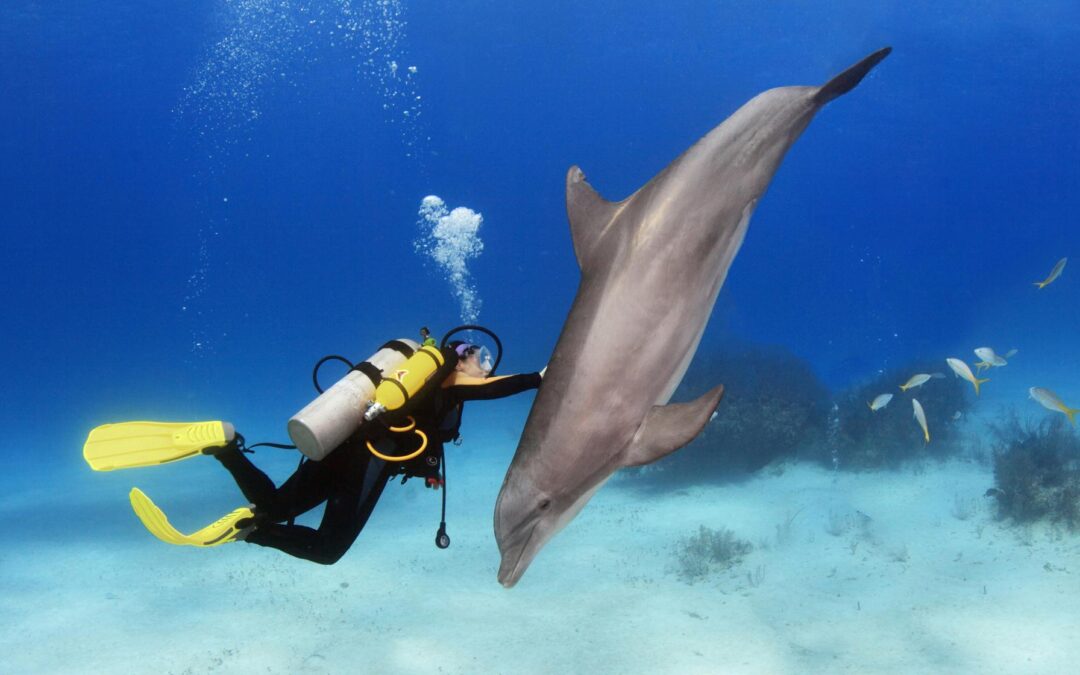
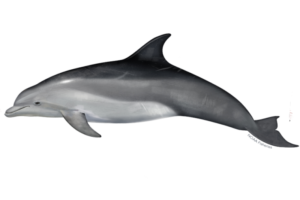
Atlantic Bottlenose Dolphin
The most common dolphin found in Belize. They are one of the most well-studied marine mammals in the wild. In addition, they are easy to view in the wild because they live close to shore and are distributed throughout coastal and estuarine waters.
Bottlenose dolphins get their name from their short, thick snout (or rostrum). They are generally gray in color. They can range from light gray to almost black on top near their dorsal fin and light gray to almost white on their belly.
Atlantic Spotted Dolphin
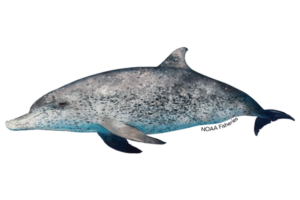
Atlantic spotted dolphins are found in warm temperate and tropical waters of the Atlantic Ocean. They usually form groups of five to 50 individuals but sometimes travel in groups of up to 200. They are fast swimmers and often “surf” in the waves created by vessels.
Young Atlantic spotted dolphins do not have spots. As a result, they can look like slender bottlenose dolphins. They have a distinctive blaze that sweeps up along their sides. Their characteristic spotted pattern starts to appear all over their bodies as they get older.
Rough-Tooth Dolphin
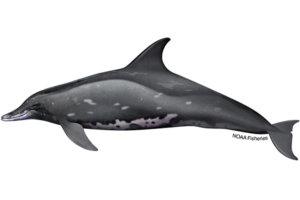
Rough-toothed dolphins are found throughout the world in tropical and warmer temperate waters. These small members of the dolphin family usually travel in small, tight-knit groups of two to 20 individuals. Their common name was based on the ridges found on their teeth, which are unique to this species.
Rough-toothed dolphins can remain underwater for up to 15 minutes. They can also adapt well to captivity, which is unusual for oceanic dolphins.
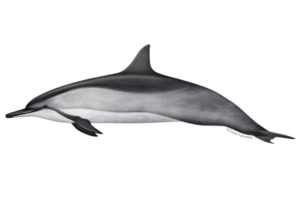
Spinner Dolphin
Spinner dolphins received their common name because they are often seen leaping and spinning out of the water. The species’ name, longirostris, is Latin for “long beak,” referring to their slender shaped beak or rostrum.
Regarded as one of the most acrobatic of dolphins, spinner dolphins are well known for their habit of leaping from the water and spinning up to seven times in the air before falling back into the water. Experts believe that spinner dolphins use these behaviors primarily for acoustic signaling or communication, but the activity can also be a way to remove ectoparasites, such as remoras.