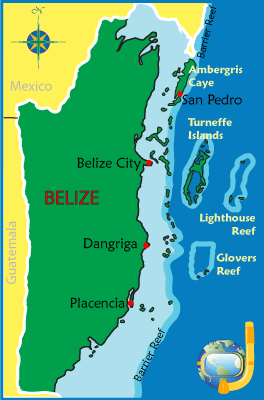
The Belize Barrier Reef is home to a large diversity of plants and animals, making it one of the most diverse ecosystems of the world: 70 hard coral species 36 soft coral species 500 species of fish hundreds of invertebrate species, including sponges hundreds of bird...
One of the world’s great natural wonders, The Belize Barrier Reef, running some 190 miles (300 km) along Belize’s Caribbean coastline, is the largest reef system in the northern hemisphere, and the world’s second largest after Australia’s Great Barrier Reef. Along...
Non reef-safe sunscreen is banned and not permitted on our island. All volunteers must bring only reef-safe sunscreen. On average 14,000 tons of sunscreen slide off of humans and onto the world’s coral reefs each year, exposing these gorgeous underwater ecosystems to...
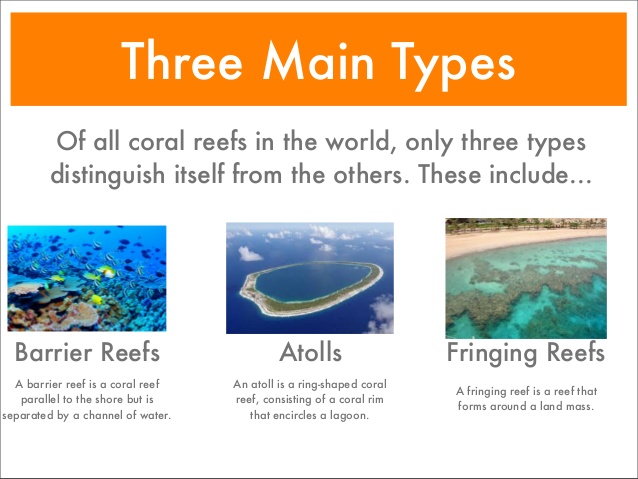
Scientists generally divide coral reefs into three classes: barrier reefs, atolls, and fringing reefs. Barrier reefs are extensive linear reef complexes that parallel a shore, and are separated from it by lagoon. At their shallowest point, they can reach the water’s...
The nurse shark gets its name from the sucking sound they make when hunting for prey in the sand, which vaguely resembles that of a nursing baby. Nurse sharks are slow-moving bottom-dwellers and are, for the most part, harmless to humans. However, they can be huge—up...
Reef Conservation International (ReefCI) had a recent visitor to our island – a critically endangered Hawksbill sea turtle. Like other sea turtles, Hawksbills are threatened by the loss of nesting and feeding habitats, excessive egg collection, fishery-related...
What can be done about all this plastic in our oceans? Is there a way to cleanup the Great Pacific Garbage Patch? There is hope! The world’s largest ocean cleanup is now underway in the Pacific Ocean, aiming to collect up to 150,000 pounds of trash in its...
The Great Pacific Garbage Patch stretches across a swath of the North Pacific Ocean, forming a nebulous, floating junk yard on the high seas. It’s the poster child for a worldwide problem: plastic that begins in human hands yet ends up in the ocean, often inside...
Plastic is very simply, unsustainable and dangerous. The far-reaching consequences of plastic pollution and how it affects all living things is a reality that must be addressed. According to a study from Plymouth University, plastic pollution affects at least 700...
Imagine an area 34 times the size of New York. Now imagine this area covered ankle-deep in plastic waste — piles of plastic bottles and plastic bags, plastic containers of all sorts for miles and miles, as far as the eye can see. That’s how much plastic waste ends up...
Overfishing is a huge problem, but you have the power to stop it! This doesn’t mean you have to stop eating seafood either; it merely means to be an informed consumer of seafood. These labels in the infographic above will help you buy sustainably harvested...
Earth Day is an annual event celebrated on April 22. Worldwide, various events are held to demonstrate support for environmental protection. First celebrated in 1970, Earth Day events in more than 193 countries are now coordinated globally. How can I celebrate Earth...
 Belize Barrier Reef, Tom Owens Island, Placencia, Belize
 (+1) 513-334-9393
 anthony@reefci.com