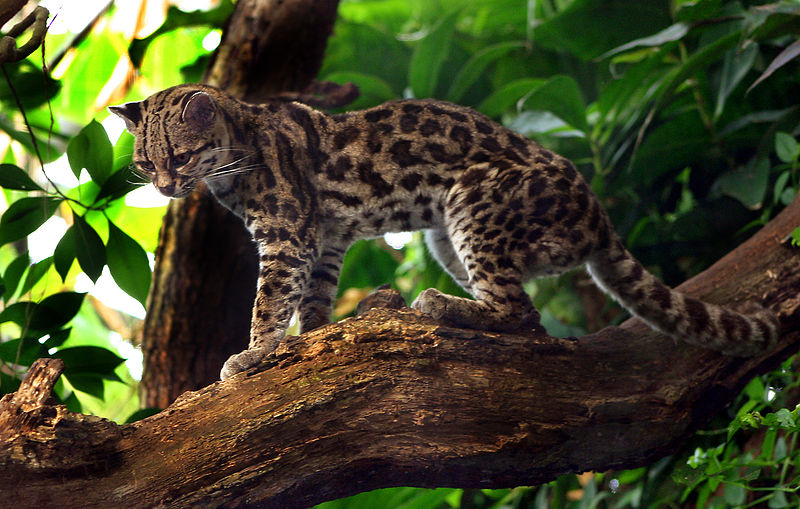
The Nature Conservancy and other green conservation groups in April purchased a biodiversity hotspot, helping to secure a vital wildlife corridor in Belize. The newly named Belize Maya Forest is part of 150,000 sq km (38 million acres) of tropical forest across...
The Belize government expanded the size of the Sapodilla Cayes Marine Reserve by seven times its original size! The reserve is now 1,300 square kilometers (500 square miles), which is about the size of Los Angeles, California or Phoenix, Arizona! Reef Conservation...
Belize is not barring any nationality 🙂 – all nations welcomed but all must follow the entry protocol which includes a negative COVID-19 PCR test no more than 96 hours prior to your international flight, OR a negative rapid test no more than 48 hours prior to...
According NOAA climate scientists, 2020 ranks as the second hottest year on record for the planet, right behind 2016 as the warmest ever, and knocking 2019 down to third hottest ever. Climate change is happening in real time. In fact, the world’s seven warmest years...
Needless to say, 2020 was a difficult year at best. The Covid-19 pandemic forced ReefCI to shut down operations from March 2020 to November 2020 and we also weathered two hurricanes! It was a struggle but we survived. Hence, our conservation efforts were hampered...
ReefCI needs your help this Christmas. This holiday season please support ReefCI through our Amazon Smile charity list. Click on the image below to shop ReefCI’s Amazon charity list and purchase one of our items of need that will then be shipped directly to...
According to National Oceanic Atmospheric Administration scientists this year’s Atlantic hurricane season is the most active on record since they have been tracking storms over the past 169 years. This makes 2020 officially the worst year ever with a worldwide...
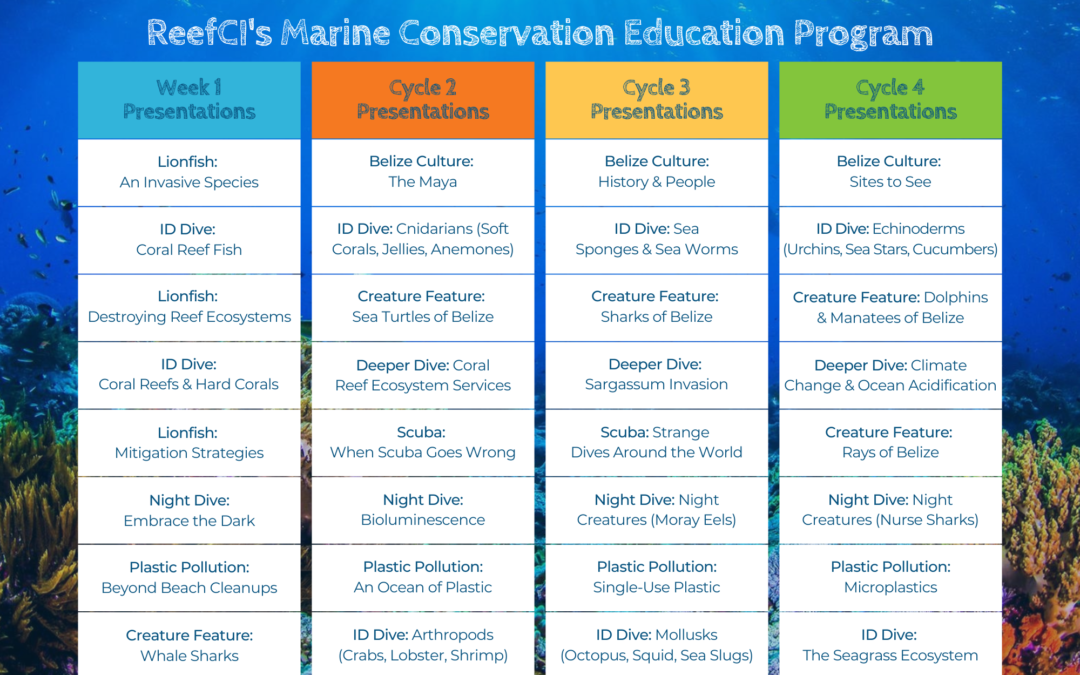
During our COVID-19 shutdown, we have been hard at work updating and improving our marine conservation program. Reef Conservation International is marine conservation in the real world and we need your help! Our new and updated marine conservation efforts focus on...
ReefCI will reopen to volunteers November 1st, 2020 and we look forward to safely returning to our marine conservation efforts. The Belize government is reopening the country to international travelers October 1st, hence we remain hopeful that things will return to...
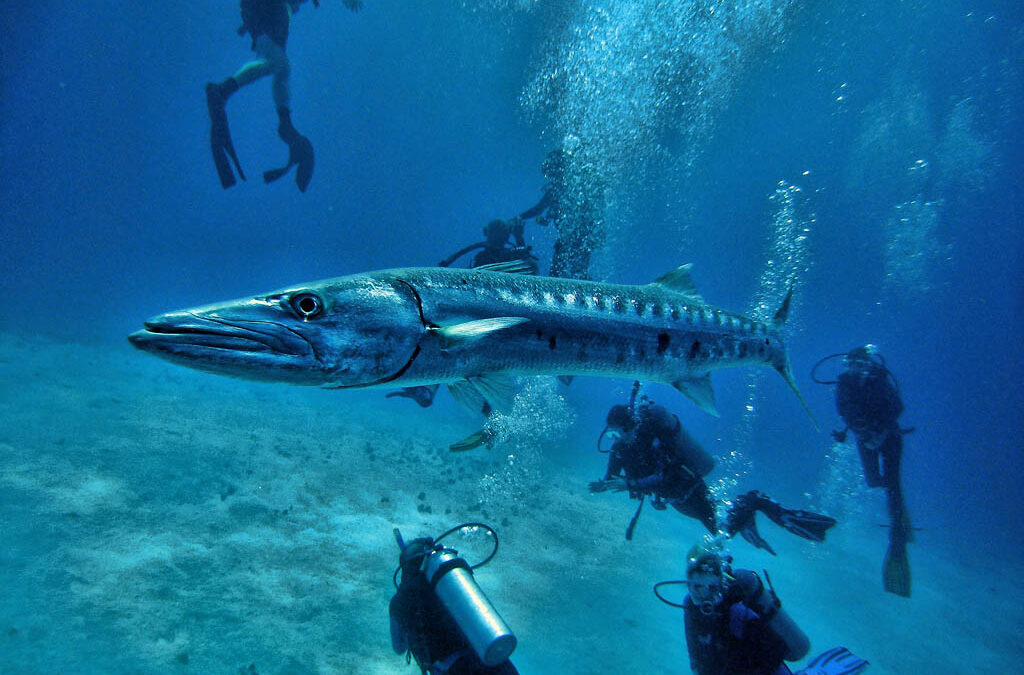
Barracudas have a fearsome reputation but these cold-blooded fish don’t exactly live to terrorize divers or swimmers; these scaly predators prefer to spend their days hunting fish, not humans. There are 28 different species of barracuda and they are found in...
Jane Goodall, famed primatologist, and a leading voice in conservation efforts, sees a direct line between the global coronavirus pandemic and humanity’s disregard for and mistreatment of nature. “We are all interconnected and if we don’t get that lesson from this...
The world’s ecosystems in mother nature function in the same manner as the human body: When ecosystems are strong and healthy — which means they have diverse species and habitat for healthy animal populations — they are more resistant to disease. It is vital...
 Belize Barrier Reef, Tom Owens Island, Placencia, Belize
 (+1) 513-334-9393
 anthony@reefci.com